The Largest Flag Database: Discover the History, Symbolism, and Color Meanings of Flags from Around the World.
Explore flags by continent and discover unique facts about countries from around the world.
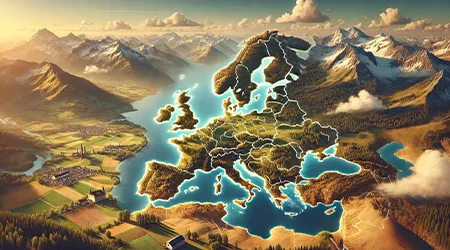
Europe, part of Eurasia in the Northern Hemisphere, weaves a rich tapestry of history and culture. From London’s vibrant streets to Athens’ ancient ruins, it blends tradition with innovation.
View Flags
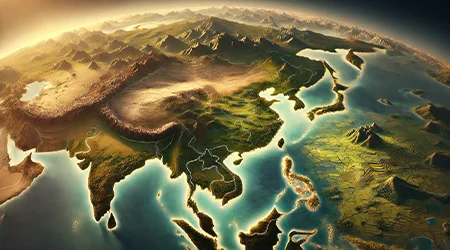
Asia, the largest continent in the Northern and Eastern Hemispheres, spans mountains, deserts, and megacities. From Kyoto’s temples to Mumbai’s bustle, it’s a hub of ancient wisdom and modern energy.
View Flags
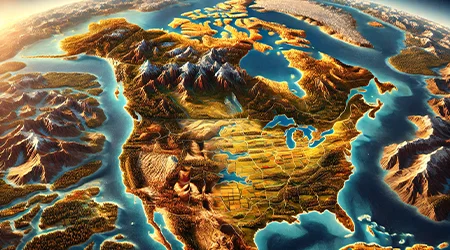
North America, in the Northern and Western Hemispheres, blends urban energy with vast wilderness. From New York’s skyline to Guatemala’s jungles, it’s a continent of diversity and ambition.
View Flags

South America, in the Southern and Western Hemispheres, captivates with the Amazon, Andes, and lively cities. From Peru’s Inca trails to Brazil’s carnivals, it pulses with heritage and passion.
View Flags
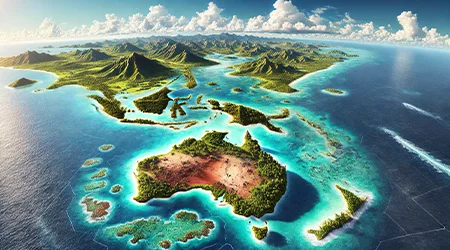
Oceania, dotted across the Pacific in the Southern Hemisphere, is a realm of islands with unique wildlife and landscapes. From Australia’s outback to Fiji’s reefs, it’s a haven of natural beauty.
View Flags
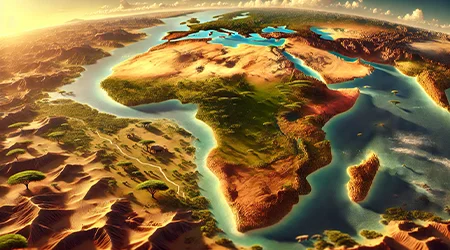
Africa, straddling the equator in both hemispheres, dazzles with savannas, wildlife, and cultural depth. From Egypt’s pyramids to Kenya’s migrations, it’s a land of ancient roots and vibrant traditions.
View FlagsLearn about the flags of the most popular countries and discover more about their symbolism and history.
Everything you need to know about flags - from history and symbolism to interesting facts.
Explore how national flags evolved from military standards and maritime signals to powerful symbols of national identity over centuries of human history.
Discover the meanings behind flag colors and symbols, from the heraldic traditions of Europe to the pan-African colors and religious symbolism in flags worldwide.
Learn surprising and fascinating facts about flags from around the world, including unique designs, historical changes, and unusual flag traditions.
Learn about special flag days being celebrated around the world.
Explanation: Tanzania does not have a separate Flag Day, but April 26 is the main holiday, Union Day, when the red, green, blue and black flag with a gold stripe is flown across the country. This day commemorates the year 1964, when Tanganyika and Zanzibar united to form the United Republic of Tanzania after gaining independence from Britain (Tanganyika in 1961, Zanzibar in 1963). The flag was approved on April 26, 1964, combining the colors of the two regions: green and black from Tanganyika to represent fertility and people, blue and gold from Zanzibar to represent the ocean and wealth, and red to represent the blood of heroes. In Dar es Salaam, parades are organized on Mnazi Mmodja Square, where the flag is raised and traditional ngumu dances are performed. This is a day off when Tanzanians are proud of the “Cradle of Humankind” (nicknamed because of the discovery of the oldest human remains in the Olduvai Gorge).
Read more about this flag